

Whether you’re embarking on your meditation journey or have been practicing for some time, it’s evident that meditation offers a wealth of benefits that extend beyond the physical realm, touching upon the mental and spiritual aspects of our existence.
Try our Guided Meditation Online
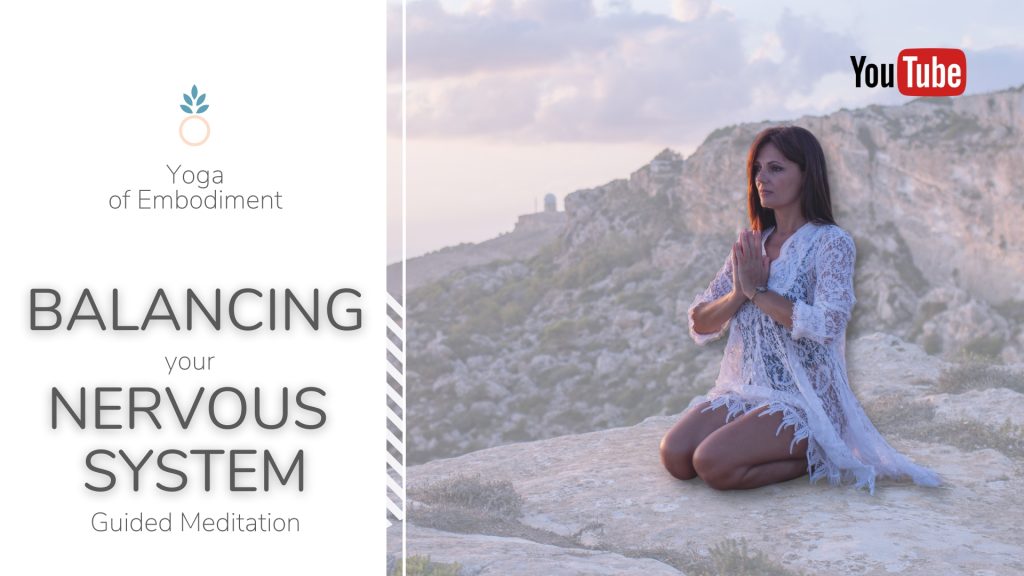
What is a guided meditation?
A guided meditation is a practice that involves following the instructions of a trained guide or teacher. It is a form of meditation that provides verbal guidance, typically through spoken words or recordings, to help individuals relax, focus their attention, and explore their inner experiences. Guided meditations often incorporate visualization, breathing techniques, and relaxation exercises to facilitate a deeper state of relaxation and self-awareness.
If you are interested in starting your meditation journey, we have created a short course to get you started.
Explore our beginner-friendly course here
Is guided meditation as effective?
Yes, guided meditation can be highly effective in promoting relaxation, reducing stress, and enhancing overall well-being. The guidance provided in a guided meditation helps to direct and anchor the mind, making it easier to stay present and focused.
This can be particularly beneficial for individuals who find it challenging to quiet their thoughts or maintain a consistent meditation practice on their own. Guided meditations offer support and structure, allowing individuals to deepen their meditation experience and reap the benefits of mindfulness and relaxation.
Why I find it hard to meditate?
Meditation has numerous benefits but sometimes it is so hard to sit still and meditate. This might discourage many beginners from embodying the benefits of meditation.
Why does this Happen?
Often this might be the result of a dysregualted nervous system. If you have been constantly in the fight or flight, the sympathetic state within your nervous system, sitting still is nearly impossible. This is very normal and I want to assure that there is nothing wrong with you.
Let’s for a moment imagine that you have a dangerous animal running behind you, (this is how your nervous system and your body feels) how can you sit and meditate. Your body will think you are crazy. So the first step is to bring yourself in a regulated state, where you feel safe to sit still and safe to be within your body.
Another reason why meditation might feel difficult is that there is a trauma wound that still needs to be healed and sitting in silence might trigger pains and unpleasant emotions. The invitation is always to approach your body and your practice slowly. It is important to be aware of what is happening within your body in the moment. We are always invited to work with our body and not against it.
For a more embodied approach to meditation, you may be interested in exploring the concept of the Yoga of Embodiment. This approach combines the principles of yoga, nervous system regulation and somatic practices to cultivate a deep sense of embodiment and self-awareness. To learn more about the Yoga of Embodiment, you can visit our dedicated page for further insights and practices